


The resurgence of desk games amid our increasingly digital-driven lifestyles marks a fascinating trend in contemporary gaming culture. As more individuals find themselves tethered to their desks for work, the appeal of accessible entertainment in the form of desk games has surged. These games, ranging from mini board games to digital versions that can be accessed directly from a computer browser, offer a welcome distraction and a mental break without requiring one to leave their workspace.
This trend has been magnified by the post-pandemic shift towards remote and hybrid work models. With homes now doubling as workplaces for a significant portion of the global workforce, desk games provide an engaging solution for many seeking brief respites from the rigors of work. This is especially relevant as isolated work environments have led to a blurring of boundaries between professional and personal spaces, and desk games have emerged as an innovative means of re-instating balance.
The allure of desk games lies in their simplicity and ease of access. They cater to a broad demographic, ensuring inclusivity and accessibility, where complex setups or extensive time commitments are not prerequisites. This accessibility ensures their proliferation across various age groups and professional sectors, highlighting their universal appeal. As a result, both physical desk games and their digital counterparts have seen a significant uptick in popularity and commercial success.
Moreover, the recent boom in desk game popularity has simultaneously spurred the growth of online gaming communities. These communities offer players a platform to engage, discuss, and share their gaming experiences, transcending geographical barriers. This networking element not only amplifies the enjoyment derived from gaming but also enriches the remote work experience by fostering a sense of belonging and community.
Industry analysts are keenly observing this trend, considering it a valuable insight into future entertainment and work dynamics. With technological advancements constantly refining digital desk games, the intersection between work and play will likely continue to evolve, shaping new clichés of modern work culture.
Ultimately, desk games represent more than a fleeting trend; they reflect a broader shift in the way people balance productivity and recreation. As these games develop and adapt, they position themselves as vital components of the digital work-home ecosystems around the globe.
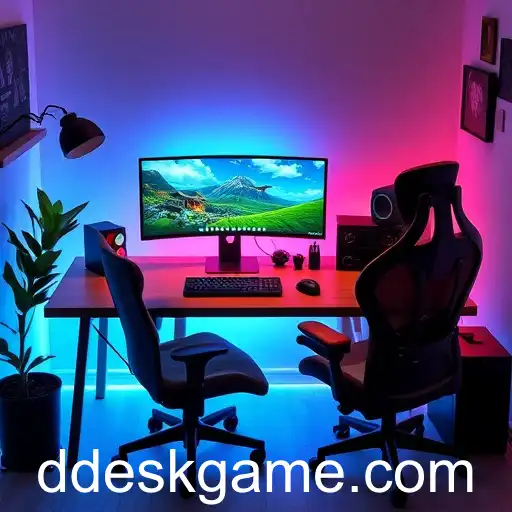
Exploring the latest trends and impact of desk-based gaming in 2025.

Explore the evolving landscape of desk games as technology reshapes interactive experiences in 2025.

Exploring the rise and trends of desk games in the digital age.

An exploration of the rising popularity and innovation in desk games on online platforms in 2026.

Exploring the resurgence of classic desk games in the modern digital era amidst emerging trends and technologies.

Exploring how the growing trend of desk games intersects with the sharing economy and impacts online gaming platforms.
