



As we progress through the mid-2020s, the transformation of typical desk games into digitized formats has reshaped the landscape of online gaming. No longer restricted to physical formats, these games have evolved to meet the demands of a digital-savvy audience, propelling an exciting integration of technology with traditional gameplay.
The advent of virtual reality has been particularly influential in redefining how desk games are played. This technology offers players an immersive experience that was previously unimaginable, allowing enthusiasts to step inside their favorite game worlds. The blend of tactile engagement with interactive digital environments presents a fresh dynamism that has captivated a broad demographic of gamers worldwide.
Further, the digital strategy games based on traditional desk games models are gaining popularity. Websites dedicated to these games now often boast impressive interfaces, interactive leaderboards, and multiplayer options that enhance user engagement. Players no longer play just against the computer but can challenge others globally, leading to a burgeoning community of desk game aficionados.
In particular, the global shift towards remote working arrangements has significantly influenced the popularity of these games. Employees looking for short breaks or team-building activities have turned to online platforms, elevating desk games into a preferred method for relaxation and cognitive stimulation.
However, the rise of digital desk games is not without its challenges. Concerns over screen time, addiction, and ensuring digital equity for all players regardless of their internet access continue to ignite debate. The gaming industry must navigate these issues to sustain its growth while ensuring a fair play environment for everyone.
Looking to the future, the innovative potential of artificial intelligence and machine learning in desk games promises even more sophisticated strategies and personalized user experiences. As algorithms become more advanced, the games can adapt in real-time to player preferences, making each game session unique and challenging.
In conclusion, the journey of desk games into the digital realm signifies more than just a technological upgrade; it reflects the changing dynamics of leisure and work in our society. As we journey further into this digital age, the evolution of desk games continues to unfold, offering endless possibilities for gamers around the world.

Exploring the evolution of desk games in the digital realm and their impact on gaming culture.
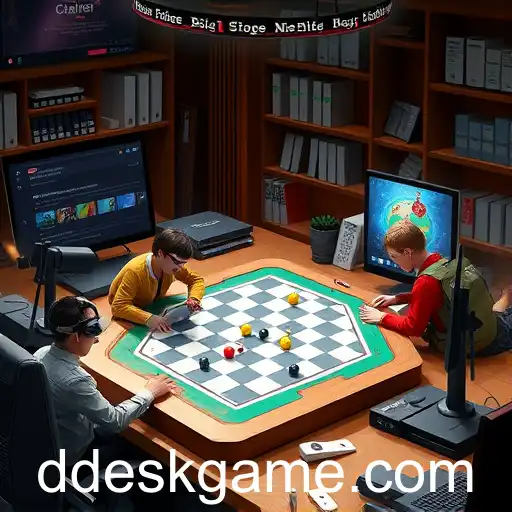
Exploring the growing popularity of desk games in the digital landscape and how they are reshaping the online gaming industry.

An exploration of the emerging trends in desk games, highlighting their popularity and the factors driving their success in 2025.

Discover the latest developments and trends in desk gaming websites as we navigate through the gaming landscape of 2025.

Exploring the resurgence of desk games in the digital era and their impact on entertainment culture.

Exploring the transformation of traditional desk games into online platforms that resonate with modern gaming enthusiasts.
