


In recent years, desk games have witnessed a significant transformation, transitioning from traditional board and card games to sophisticated virtual experiences. As the gaming industry continues to evolve, 2025 has marked a distinct rise in the popularity and development of virtual desk games, with a considerable influence from current technological advancements such as augmented reality and artificial intelligence.
One of the main drivers of this trend is the increasing integration of augmented reality (AR) technology into desk games. This innovation enables players to immerse themselves in enhanced environments that blend the real world with digital components. A leading example is the collaboration between traditional game developers and tech companies, resulting in AR versions of classics like chess and Scrabble, offering enriched experiences that attract both seasoned players and newcomers alike.
Another factor contributing to the proliferation of desk games is the intensified competition among online gaming platforms. Websites dedicated to desk games are thriving, as they provide gamers with access to a plethora of games without the need for physical components. This shift not only ensures sustainability but also broadens the audience reach, making desk games accessible to a global community and connecting players from different continents.
Moreover, these platforms are facilitated by improved internet speeds and increased access to mobile and fixed broadband services, which empower users to engage in seamless multiplayer interactions. This trend has dramatically shaped the dynamics of gaming, sparking debates about the potential decline of physical game sales. However, the market has shown adaptability, with hybrid models that combine physical elements with digital interactivity gaining traction.
On the socio-cultural front, the global desk game phenomenon has fostered new online communities and social interactions, encouraging collaboration and cognitive skill development. These gaming ventures have not only become a source of entertainment but also serve as tools for education and professional training. Many companies are now employing desk game simulations for team-building exercises and problem-solving workshops, highlighting their flexibility and functional value.
As we look ahead, the future of desk games seems promising. With continuous innovations in technology and the unwavering enthusiasm of the gaming community, desk games will likely continue to grow and adapt to changing consumer preferences. It is evident that while the essence of traditional play endures, embracing the digital transformation is pivotal for sustained relevance in the rapidly evolving gaming landscape.

Exploring the resurgence of desk games amidst the tech-savvy gaming landscape and their market dynamics.
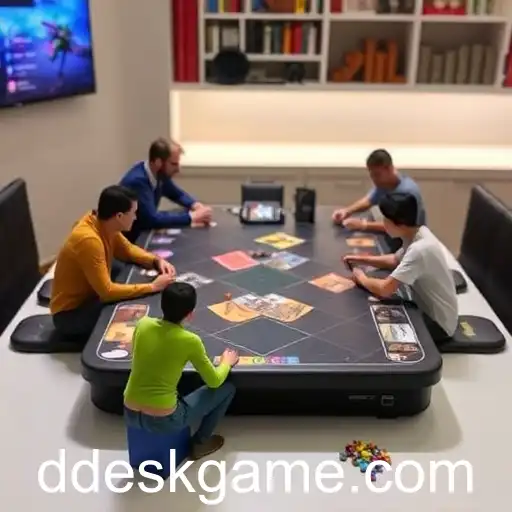
Exploring the resurgence of traditional desk games in the online gaming landscape amidst technological advancements.

An exploration of the emerging trends in desk games, highlighting their popularity and the factors driving their success in 2025.

Explore the evolving landscape of desk games as technology reshapes interactive experiences in 2025.

Exploring the surge in desk game popularity on English gaming websites amidst 2025's digital transformation.

Explore how the desk game trend is reshaping online gaming dynamics in 2025, integrating current events and technological advances.
